Many prospective homebuyers in Pennsylvania may not realize the importance of a comprehensive home inspection. This process can reveal hidden issues that could significantly impact your decision to purchase a property. As you navigate this critical stage, it’s crucial to know what to look for during the inspection. From the foundation and roofing to plumbing and electrical systems, understanding these key areas can help you make informed choices about your future home. By paying attention to these details, you can protect your investment and ensure a satisfactory homebuying experience.

Key Takeaways:
- Assess the condition of the roof, including shingles and flashing, to identify any potential leaks or age-related issues.
- Check for structural integrity, looking for signs of foundation settlement, cracks in walls, or uneven floors.
- Inspect plumbing systems for leaks, corrosion, and the condition of water heaters and fixtures.
- Evaluate electrical systems, ensuring outlets, wiring, and circuit breakers are up to code and functioning properly.
- Examine HVAC systems for performance, maintenance history, and age to predict potential replacements or repairs needed.
Understanding the Home Inspection Process
For first-time homebuyers or those unfamiliar with real estate transactions, understanding the home inspection process is vital. A comprehensive inspection helps you assess the condition of the property you are considering. This process includes evaluating major systems and components in the home, identifying potential issues, and giving you a clearer picture of your investment before making a decision.
What is a Home Inspection?
After a purchase agreement is in place, a home inspection is typically conducted by a licensed professional who evaluates the property’s condition. This assessment covers various areas, including structural components, electrical systems, plumbing, and more, ensuring you are aware of any existing or potential issues.
Importance of Home Inspections in Pennsylvania
Inspection of homes in Pennsylvania is vital for several reasons. It can help you identify both minor and major problems that may not be visible during a casual walk-through, saving you from costly repairs later. Furthermore, a thorough home inspection provides you with leverage in negotiations and can enhance your confidence in making one of the most significant purchases of your life.
To secure your investment, conducting a home inspection can provide necessary insights for you as a buyer. Pennsylvania’s diverse weather conditions and unique building practices necessitate a meticulous evaluation to ensure that your new home is sound and safe. By understanding what needs to be addressed right away, you can make informed decisions, whether it’s requesting repairs from the seller or adjusting your budget for future improvements.
Key Areas to Inspect
Some key areas to inspect during your home inspection in Pennsylvania include the foundation and structural integrity, roofing and gutters, plumbing systems, electrical systems, and HVAC and ventilation systems. Thorough evaluation of these areas can help you identify potential issues and make informed decisions about the property.
Foundation and Structural Integrity
The foundation is vital for the stability of your home. Look for signs of cracks, shifting, or moisture. Inspect the walls and beams for any signs of structural damage, as addressing these issues can be expensive and invasive.
Roofing and Gutters
Inspect the roof for missing shingles, signs of wear, and any leaks. Check the gutters and downspouts for clogs and proper drainage, as water damage can lead to significant problems in the future.
This part of the inspection ensures that roofing materials are in good condition and that gutters are functioning correctly. Any signs of damage or wear can indicate underlying issues that may require immediate attention, potentially saving you from costly repairs down the line.
Plumbing Systems
For plumbing, check for leaks, water pressure, and the age of the plumbing fixtures. Make sure to assess the condition of pipes, including materials used, as these can affect your water quality and maintenance costs.
For instance, old or corroded pipes can lead to leaks and water damage. Inspect under sinks, around toilets, and in the basement for any visible signs of water stains or moisture, as these could reveal larger plumbing issues that need professional evaluation.
Electrical Systems
With electrical systems, ensure that the wiring is up to code and that there are no exposed wires. Check the electrical panel for adequate capacity and any signs of overheating or corrosion.
In fact, performing a thorough check of outlets and light fixtures can prevent fire hazards and electrical failures. You should look for updated circuits and sufficient grounding, as poorly maintained electrical systems may pose serious safety risks.
HVAC and Ventilation
Among the HVAC and ventilation systems, inspect the furnace, air conditioning units, and ductwork. Look for any signs of wear and check for proper airflow throughout the home.
HVAC systems are crucial for comfort and air quality. A thorough check of filters, thermostats, and overall efficiency ensures that these systems will not only work effectively but also save you money on energy bills in the long run.
Common Issues Found During Inspections
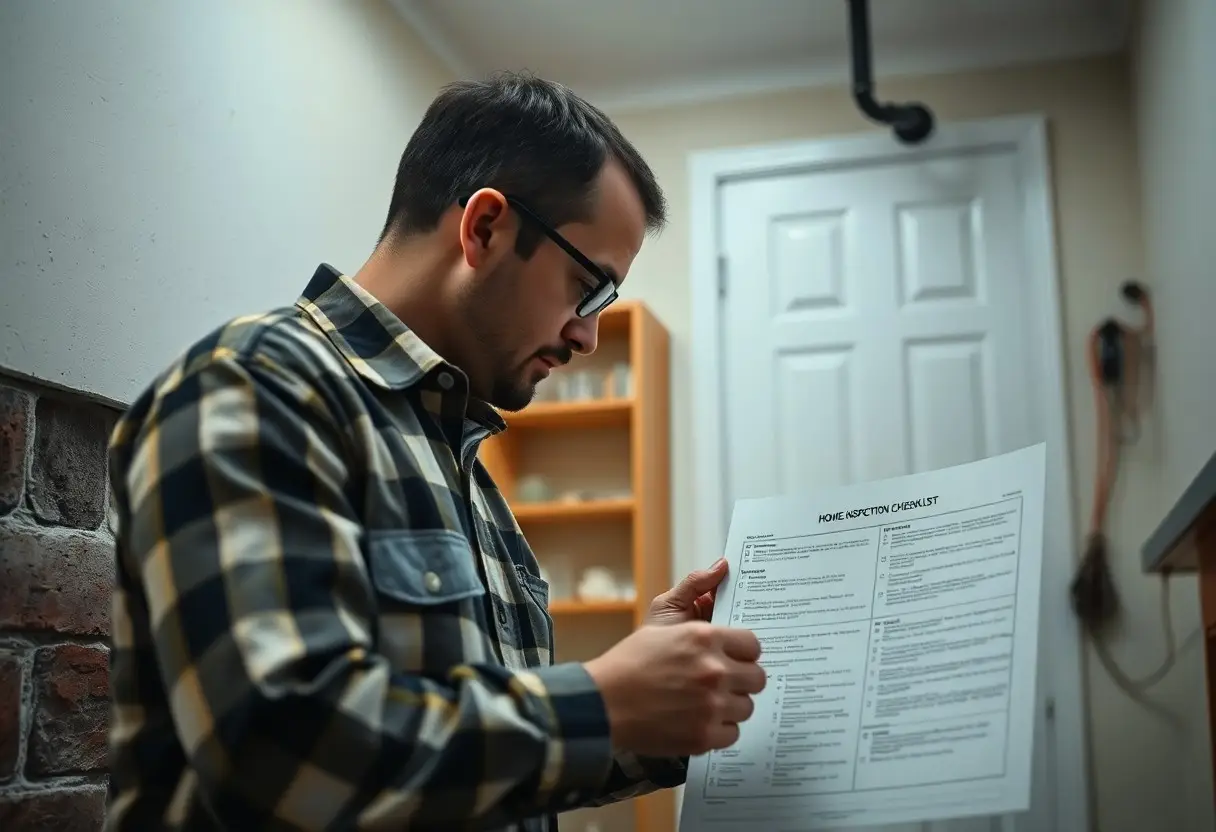
Once again, being aware of frequent problems can help you during a home inspection in Pennsylvania. Issues such as faulty HVAC systems, roof damage, and plumbing leaks often arise. Be sure to check this HOME INSPECTION CHECK-LIST to guide you through the inspection process effectively.
Mold and Water Damage
By identifying mold and water damage early on, you can save yourself from expensive repairs down the line. Inspect areas like basements, kitchens, and bathrooms, where moisture often accumulates, ensuring you address any concerns promptly.
Pest Infestations
After discovering pest infestations during a home inspection, you should take immediate action. Common pests such as termites, rodents, and ants can cause significant structural damage and health issues if left untreated.
A thorough inspection often reveals signs of pests, including droppings, nests, and damaged wood. If you find evidence of infestations, consult a professional pest control service to assess the situation and provide solutions, ensuring your new home remains safe and sound.
Safety Hazards
On many occasions, safety hazards can be present in a home you consider purchasing. Issues like exposed wiring, unstable railings, or inadequate smoke detectors may put your family at risk, making it imperative to identify these problems during the inspection.
Consequently, ensuring that all safety aspects are up to code will greatly impact your well-being. It’s advisable to address any identified hazards immediately to avoid potential accidents, ensuring your home is not only comfortable but also secure for you and your loved ones.
Working with Home Inspectors
Not every home inspector is created equal, which is why it’s important to do your research before choosing one. Start by checking credentials and reviews to ensure they meet your expectations. To streamline the process, consult our Pennsylvania Home Inspection Checklist: What Every … to ensure you ask the right questions and cover all necessary bases during the inspection.
Choosing a Qualified Inspector
Before selecting a home inspector, verify their qualifications, experience, and any relevant certifications. Look for inspectors who are well-versed in Pennsylvania’s building codes and residential standards. Seek inspectors with good reputations and positive testimonials from previous clients to enhance your confidence in their abilities.
Questions to Ask Your Inspector
With any home inspection, it’s important to engage with your inspector by asking relevant questions. This ensures that you fully understand any potential issues that may arise and how they might affect your home purchase.
For instance, ask about their inspection process, what they will focus on, and how they report findings. Inquire if they can provide insights on common concerns in Pennsylvania homes, the estimated costs for repairs, and any recommendations for follow-up inspections. By posing these questions, you’ll gain a clearer understanding of what to expect and how to address potential issues moving forward.
Post-Inspection Steps
Unlike other states, Pennsylvania has specific protocols following a home inspection. Once you receive your inspection report, it’s important to assess the findings and determine your next steps. For comprehensive insights, check out Pennsylvania Home Inspection: Why You Need to Get One … to better understand the importance of these findings in your home-buying journey.
Interpreting the Inspection Report
Inspection reports can be detailed and overwhelming, so it’s vital to prioritize the findings. Review the highlighted issues carefully, focusing on significant concerns such as structural damage, electrical systems, and plumbing. Understanding these aspects will help you make informed decisions about your potential investment.
Negotiating Repairs with Sellers
Post-inspection, you have the opportunity to negotiate necessary repairs with the sellers. Use the inspection report as a bargaining tool to address any major issues that were uncovered. This may include requesting repairs, replacements, or even a price adjustment to account for needed work.
Hence, approach the negotiation process constructively. It’s beneficial to communicate openly with the sellers about the inspection findings, presenting your concerns backed by the report. This strategy can lead to achieving an agreement that satisfies both parties, ensuring you are protected and your future home is in a good condition.
Conclusion
Presently, when conducting a home inspection in Pennsylvania, you should focus on several key areas including the roof, foundation, plumbing, electrical systems, and potential pest issues. Additionally, check for signs of water damage and ensure that all major appliances are functioning properly. By being thorough during your inspection, you can make informed decisions about your prospective property and avoid unexpected expenses in the future. Trusting a qualified inspector can also enhance your understanding of the home’s condition and any maintenance requirements ahead.